 WHAT TO SEE

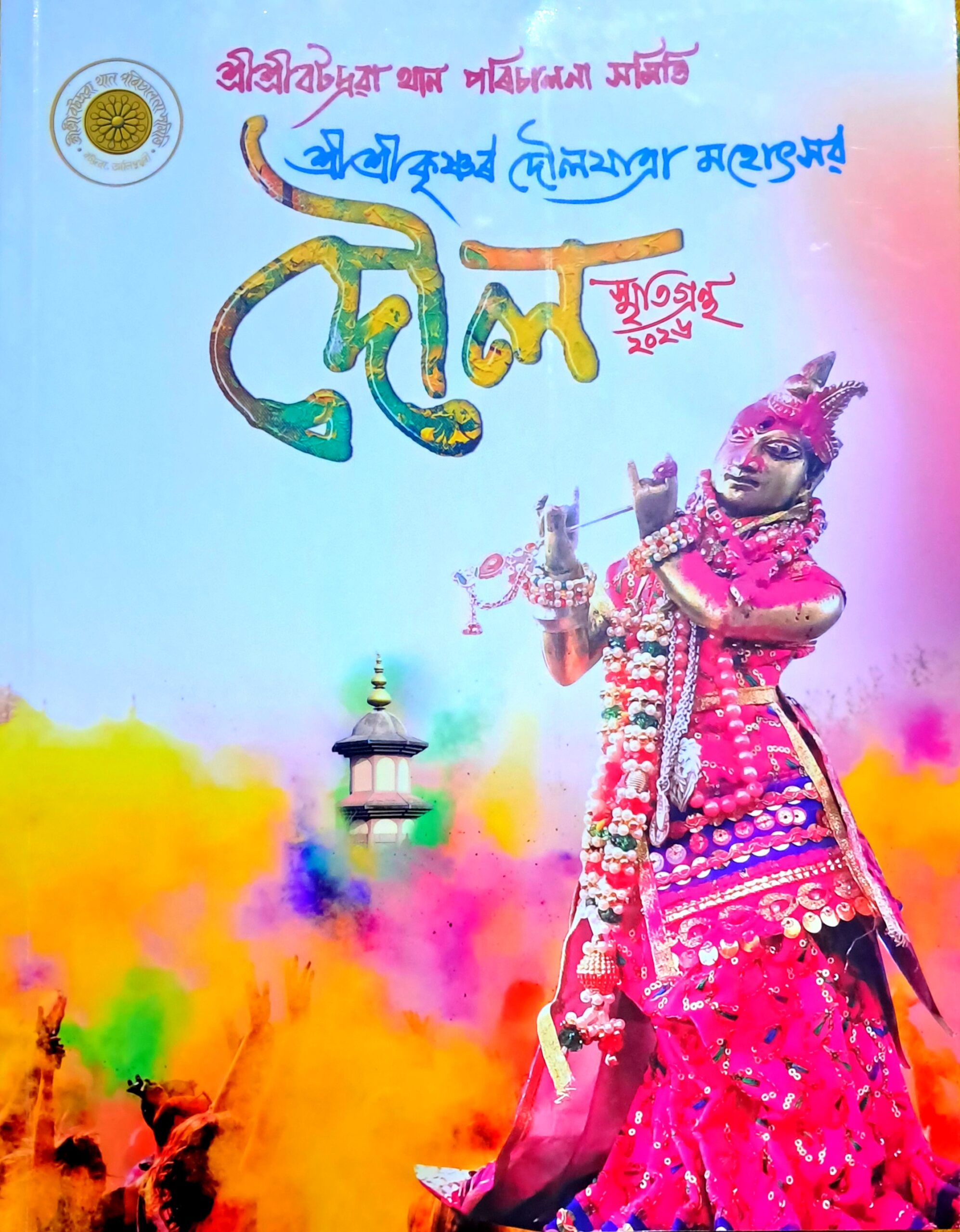
Sri Sri Batadrava Than.
✽ দৌল উৎসৱত গোসাঁইক গা-ধুওৱা পৰম্পৰা। ✽
Cultural programs of Batadrava Holi Festivals.
Batadrava’ Than is a holy pilgrimage site in Nagaon, Assam. It is located in the birthplace of the great Assamese saint and social reformer Srimanta Sankardev. Sankardev at the age of 19, established the Bordowa Than in 1468, it is also the first Namghar or Than constructed. The pilgrimage site is located at Batadrava, about 16 km from Nagaon city and it covers an area of 16 bigha. Aliphukhuri, Nagaon, Assam.



How to Reach & Visitor Information
Batadrava Than (also known as Bordowa Than) is situated at Bordowa village near Nagaon town in the state of Assam, India. It is the birthplace of Srimanta Sankardeva and holds great significance as a major Vaishnavite pilgrimage center.
Distance: Distance from Nagaon Town: Approximately 16 km . The site is easily accessible by road from Nagaon.
Nearest Airport: Lokpriya Gopinath Bordoloi International Airport (LGBI), Guwahati, Distance from Batadrava Than: Approximately 120 km.
Nearest Railway Station: Haibargaon Railway Station, Nagaon, Distance: Approximately 15 km.
Bus and Local Transport: ASTC Morning Bus Service, Route: Nagaon Town to Bordowa Than Departure Time: 7:30 AM.
Private Vehicles (Non-stop Services): Available daily from 6:00 AM to 7:00 PM, Route: Nagaon Town to Bordowa Than.
Taxis and auto-rickshaws are readily available from Nagaon town.
Best Time to Visit
The ideal time to visit Batadrava Than is from October to March, when the weather remains pleasant. Visiting during major religious and cultural festivals such as Janmastami, Raas Mahotsav, and Sankardeva Tithi offers a deeper spiritual and cultural experience.
Festivals & Major Events at Batadrava Than
The Than organizes various kinds of functions and festivals here such as:
Batadrava Doul Jatra, celebrated in Bordowa, Assam, is a significant festival that marks the state’s first organized Holi celebration, dating back to the time of the revered saint, Srimanta Sankardev. This five-day festival, held annually in March, is deeply rooted in Assamese culture and spirituality, attracting devotees and visitors from various regions.
Historical Significance : Srimanta Sankardev, a 15th-century saint-scholar, playwright, and social-religious reformer, established Bordowa as his birthplace. He introduced the Doul Jatra festival to promote Bhakti (devotion) among the masses, integrating cultural performances with religious observances. This initiative not only enriched Assamese cultural heritage but also laid the foundation for organized Holi celebrations in the region.
Festival Overview: The Doul Jatra spans five days, each imbued with unique rituals and cultural activities:
1. Gandh (First Day): The festival commences with the ceremonial bathing of a small idol of Lord Krishna in milk and other auspicious substances, symbolizing purity and divinity. The idol is then adorned with new clothes, marking the beginning of the festivities.
2. Guxai Murot Faku Dia (Second Day): On this day, colored powders, known as ‘faku,’ are applied exclusively to the deity, signifying the sanctity of the occasion. Devotees refrain from playing with colors among themselves, focusing their devotion on Lord Krishna.
3. Doul Jatra (Third Day): This day witnesses a vibrant procession where devotees carry the decorated idol of Lord Krishna on a palanquin, accompanied by traditional music and dance. People joyfully play with colors, embodying the spirit of Holi while maintaining a deep sense of devotion.
4. Namghar Prayers and Mela (Fourth and Fifth Days): The concluding days are dedicated to communal prayers at the Namghar (prayer hall), where devotees gather for spiritual discourses and hymns. Simultaneously, a fair (mela) is organized, offering shopping opportunities and entertainment, fostering community bonding and cultural exchange.
Cultural Vibrancy: The Batadrava Doul Jatra is not merely a festival but a confluence of devotion, art, and community spirit. Traditional music and dance forms, such as Borgeet (devotional songs) and Sattriya (classical dance), are performed, reflecting the rich cultural tapestry of Assam. The festival also serves as a platform for local artisans and vendors, boosting the local economy and preserving traditional crafts.
Conclusion: Batadrava Doul Jatra stands as a testament to Assam’s profound cultural and spiritual heritage. Initiated by Srimanta Sankardev, this five-day festival encapsulates the essence of devotion, community, and celebration, marking the origin of organized Holi festivities in the region. Each day of the festival offers a unique experience, inviting participants to immerse themselves in rituals, colors, prayers, and communal harmony.
the tithis or the death anniversaries of the Vaisnava saints, Srimanta Sankardev and Mahapurush Madhavdev, Janmastami, Nandotsava, Ras Jatra ceremonies, etc. and performance of Sattriya culture.